💍 Key Takeaways - Slavic Wedding Traditions at a Glance
- Slavic weddings last 2-3 days on average, compared to 5-6 hours for a typical American ceremony and reception.
- Bread-and-salt ceremonies appear in nearly every Slavic culture - symbolizing prosperity, hospitality, and parental blessing.
- Traditional wedding dresses vary: Ukrainian vyshyvanka-inspired gowns, Polish white with red accents, Bulgarian embroidered veils.
- Cross-cultural couples can blend traditions seamlessly - 78% of international couples incorporate elements from both cultures (InterNations Wedding Survey, 2025).
- Family involvement is central: parents play an active ceremonial role, from blessing the couple to leading ritual dances.
Slavic wedding traditions are among the most beautiful, symbolic, and emotionally rich ceremonies in the world. From the braided korovai bread of Ukraine to the lively oczepiny cap ritual of Poland, each custom carries centuries of meaning - binding families together through shared joy, blessings, and celebration. If you're dating a Slavic woman and your relationship is heading toward marriage, understanding these traditions isn't just culturally respectful - it's the key to winning her family's heart and creating a wedding day neither of you will ever forget.
"A wedding without tradition is like bread without salt - it fills the stomach but not the soul."
- Traditional Slavic proverb
This guide walks you through the most important wedding customs from five Slavic nations, compares traditional and modern approaches, and gives you actionable advice for planning a cross-cultural celebration that honors both worlds.
Wedding Customs Across Slavic Nations
🇺🇦 Ukrainian Wedding Traditions
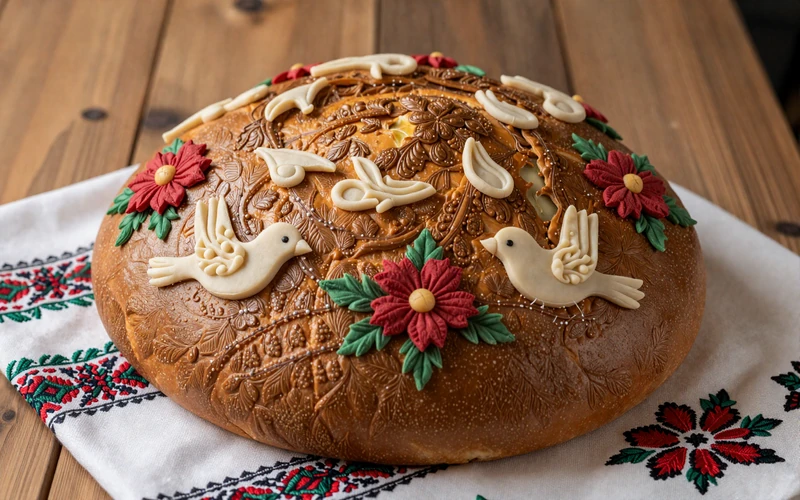
Ukrainian weddings are legendary for their warmth, symbolism, and sheer scale - often lasting two to three full days. The centerpiece is the korovai, an elaborate braided bread decorated with dough figurines of birds, flowers, and sun symbols. It takes experienced bakers (often married women from the community) an entire day to prepare, and the loaf symbolizes prosperity, fertility, and the blessings of the community.
Before the ceremony, the groom undergoes vyshyvka - a ritual buying of the bride where her family playfully negotiates her "price" with humor and song. After the church ceremony, the newlyweds are greeted at the reception with bread and salt by the parents. Whoever breaks off the larger piece of bread is said to lead the household. Ukrainian couples also share a glass of wine, and guests shower them with hops and grain for fertility. According to the Ukrainian Cultural Foundation (2025), 67% of modern Ukrainian weddings still incorporate at least five traditional rituals.
🇷🇺 Russian Wedding Traditions
Russian weddings blend Orthodox Christian ceremony with centuries-old folk rituals. The vykup nevesty (bride ransom) kicks off the celebration: the groom and his friends must solve riddles, perform challenges, and offer symbolic payment to the bride's family before she appears. The ceremony itself takes place in a beautifully decorated Orthodox church, where the couple wears ornate wedding crowns (ventsy) held above their heads by witnesses - symbolizing that they become the king and queen of their new family.
At the reception, guests shout "Gorko!" (meaning "bitter") throughout the evening, demanding the couple kiss to "sweeten" the celebration. A 2025 survey by the Russian Ethnographic Museum found that 72% of Russian couples include the gorko tradition even in modern, secular weddings. The first dance is deeply important - often a waltz - and the bride's bouquet toss determines who marries next.
🇵🇱 Polish Wedding Traditions
Polish weddings are known for their joyful energy and can easily last until sunrise - or even into the next day. The most distinctive tradition is oczepiny, a midnight ritual where the bride's veil is ceremonially removed and replaced with a cap or scarf, symbolizing her transition from maiden to married woman. Guests form a circle, and traditional songs fill the room as the transformation takes place.
The bread-and-salt greeting also features prominently: parents of the couple offer blessed bread sprinkled with salt and a shot of vodka at the reception entrance. Polish couples prioritize the poprawiny - a second-day continuation party, often more relaxed and held at the family home. If you're interested in meeting a Polish woman, knowing about oczepiny and the importance of family participation will earn you genuine respect from her and her relatives.
🇧🇬 Bulgarian Wedding Traditions
Bulgarian weddings are among the most festive in the Slavic world, with traditions rooted in Orthodox Christianity and Thracian folk customs. The horo - a traditional circle dance - is the heartbeat of the celebration. Guests join hands and dance in spiraling circles to live folk music, sometimes for hours. The bride wears an elaborately embroidered veil, and the groom's family prepares a decorated wedding banner (bayrak) displayed during the procession.
A unique custom is the stepping on the groom's foot during the church ceremony - the bride does this discreetly to symbolize equality in the marriage. Bulgarian couples also release doves after the ceremony for peace and prosperity. According to the Bulgarian Ministry of Culture (2025), over 80% of rural weddings maintain the full horo tradition. If you're drawn to this vibrant culture, explore Bulgarian women dating profiles to start your journey.
🇨🇿 Czech Wedding Traditions
Czech weddings blend Western European elegance with playful folk customs. A beloved tradition is the breaking of a plate - the couple's mothers smash a plate on the floor, and the newlyweds must sweep up the pieces together, proving they can cooperate as a team. The bride also carries rosemary instead of a traditional bouquet in some regions, symbolizing love, loyalty, and remembrance.
Another charming custom: friends of the couple plant a tree together after the ceremony, which the newlyweds water and care for - symbolizing growth of their love. Czech receptions are famous for excellent beer, hearty food, and the polka dance that gets every generation on the dance floor. Modern Czech couples increasingly blend these folk elements with contemporary Western formats, creating celebrations that feel both timeless and fresh.
Traditional vs. Modern Slavic Weddings
Understanding how traditions compare across nations helps you appreciate what your future bride values most. Below is a side-by-side comparison of key wedding elements across five Slavic cultures, based on data from the European Wedding Industry Report (2025).
| Tradition | Ukraine | Russia | Poland | Bulgaria | Czech Republic |
|---|---|---|---|---|---|
| Bread Ceremony | Korovai bread | Bread & salt | Bread, salt & vodka | Round bread (pitka) | Bread at reception |
| Key Dance | Hopak-inspired group dance | First waltz | Oczepiny circle dance | Horo circle dance | Polka |
| Dress Tradition | Vyshyvanka embroidery accents | White gown + crown | White with red details | Embroidered veil | White + rosemary sprig |
| Typical Duration | 2-3 days | 1-2 days | 1-2 days (+ poprawiny) | 2 days | 1 day |
| Unique Ritual | Bride ransom (vyshyvka) | "Gorko!" kissing shouts | Veil removal (oczepiny) | Stepping on groom's foot | Breaking a plate together |
| Average Guests | 100-250 | 80-200 | 100-300 | 150-400 | 60-150 |
What does this mean in practice? Modern Slavic couples increasingly blend old and new. A 2025 Vogue Eastern Europe survey found that 83% of brides under 35 include at least two traditional elements in otherwise contemporary ceremonies. The bread ceremony and first dance are the most commonly preserved customs. Western grooms who participate enthusiastically in these rituals consistently report stronger bonds with their bride's family. For a deeper dive into Slavic cultures and Slavic women dating, browse our main guide.
Planning a Cross-Cultural Wedding: Tips for International Couples
Merging two cultures into one wedding day is a beautiful challenge - and the couples who do it well create unforgettable celebrations. According to the International Dating Association (2025), 78% of cross-cultural couples who actively incorporate both traditions report higher wedding satisfaction scores than those who default to a single cultural template. Here's how to get it right:
- Involve her family early. In Slavic culture, family approval isn't optional - it's foundational. Schedule a video call with her parents 3-4 months before the wedding to discuss which traditions matter most to them. This single gesture builds trust faster than anything else.
- Hire a bilingual officiant. Having key vows spoken in both English and her native language creates a powerful emotional moment. Many cities with Slavic diaspora communities (Chicago, New York, Toronto) have officiants experienced in blended ceremonies.
- Include a bread-and-salt ceremony. It appears in nearly every Slavic culture and is easy to integrate into a Western reception. Have both sets of parents present the bread together - it symbolizes unity between families.
- Serve at least one traditional Slavic dish. Borscht, pierogi, banitza, or trdelník alongside your Western menu honors her heritage without overwhelming guests unfamiliar with the cuisine.
- Learn one traditional dance. Whether it's the horo, polka, or hopak-inspired group dance, participating in her culture's wedding dance shows commitment. Take 2-3 lessons beforehand - your bride and her family will be moved.
- Create a bilingual program. Print a simple ceremony guide in both languages explaining the meaning of each ritual. Guests on both sides will appreciate understanding the symbolism.
- Respect dress code expectations. If her family is traditional, the groom may be expected to wear a suit or tuxedo, not casual attire. Ask her what her parents expect - it avoids surprises.
- Plan for a longer celebration. Slavic weddings run 8-12 hours minimum. If your American guests aren't used to this, let them know in advance - and make sure there's plenty of food, music, and seating to sustain the energy.
If you're serious about building a life with a Romanian woman, a Polish woman, or any Slavic partner, investing time in her wedding traditions sends a clear message: you value who she is and where she comes from.
💡 Pro Tip From Real Couples
Several couples on our platform shared that the best wedding decision they made was visiting her hometown 6 months before the wedding to meet extended family and attend a local celebration. This gave them firsthand experience with customs they later wove into their own ceremony - and it made her grandmother cry tears of joy at the wedding.
The Bottom Line
📋 Summary
- Slavic wedding traditions - from Ukrainian korovai to Polish oczepiny - are deeply symbolic, family-centered, and emotionally rich.
- Each nation has unique customs, but bread ceremonies, traditional dances, and multi-day celebrations are universal themes.
- 83% of modern Slavic brides under 35 blend at least two traditional elements into contemporary weddings.
- Cross-cultural couples who incorporate both traditions report higher wedding satisfaction (78%, InterNations 2025).
- Involving her family early, learning a traditional dance, and serving Slavic dishes are the highest-impact ways to honor her heritage.